
Mojtaba Khamenei inherited the title of Iran’s supreme leader on one of the most turbulent weekends in recent Middle East history: oil prices above $100 per barrel, Israeli strikes on Iranian oil facilities, Iranian barrages against five Gulf nations, and the death of a seventh American service member in the conflict. The new leader’s first days in office would be defined entirely by the war he had inherited.
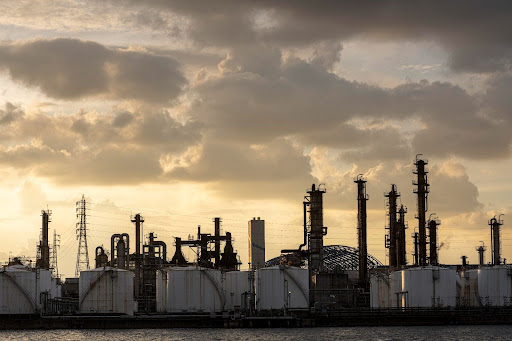
Israeli forces struck oil storage facilities in and around Tehran, killing four workers and leaving the capital draped in smoke. Iran’s Revolutionary Guards threatened to push global oil to $200 per barrel if the attacks continued, while launching fresh drone and missile strikes against Saudi Arabia, the UAE, Qatar, Bahrain, and Kuwait.
Saudi forces intercepted 15 drones, Bahrain’s desalination plant was damaged, two Saudi civilians were killed, and a US service member died from wounds sustained in an Iranian attack — the seventh American killed since the conflict began. Reports that Russia had been feeding targeting intelligence to Iran added an alarming geopolitical dimension to an already dangerous crisis.
The clerical assembly had selected Mojtaba Khamenei as supreme leader through what it described as a decisive vote, calling on Iranians to pledge allegiance to the new authority and preserve national unity. But unity was precisely what was lacking: the country’s president had publicly apologized to Gulf neighbors and suggested strikes against them would stop, while the military continued its attacks regardless.
The United States pledged not to target Iranian oil infrastructure and predicted only brief supply disruptions. But with a new untested leader, a fractured government, and a conflict spreading to new countries daily, the region was as far from stability as it had been in decades.