
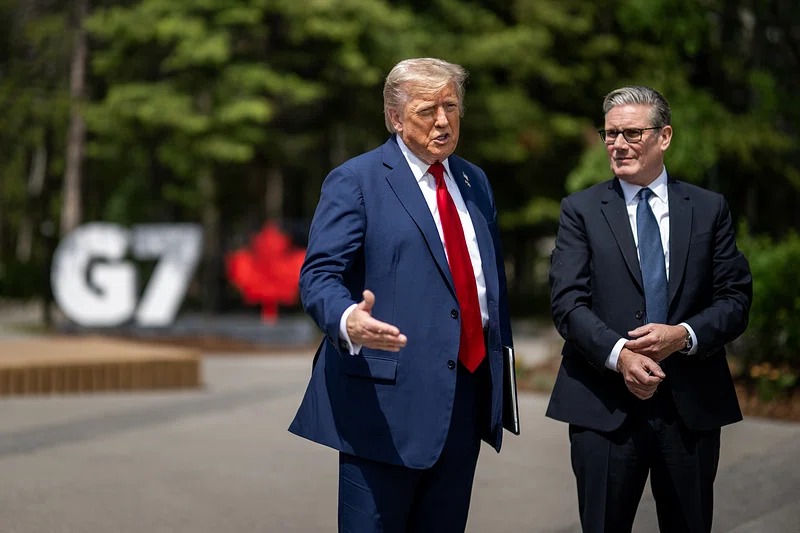
The relationship between Britain and the United States has survived many tests over the decades — wars, policy disagreements, moments of genuine friction. The Iran conflict represents the most recent and, in some ways, most publicly visible of those tests. Whether the relationship will emerge stronger or weaker is a question that remains open.
The episode began with a refusal — Britain declining to allow American forces to use its military bases for strikes on Iran. The decision was driven by domestic politics, by the caution of a governing party that had campaigned on a more restrained foreign policy. It was a defensible decision, but one with consequences.
Those consequences were immediate and significant. The American president’s public rebuke was followed by the secretary of state’s pointed remarks at an international conference. Together, they amounted to a sustained public pressure campaign of the kind that is rarely directed at close allies.
When Britain reversed course — granting limited, defensive access — it represented a partial accommodation of American expectations. But the reversal came after the damage had been done, and the subsequent dismissal of Britain’s offer of further assistance as no longer necessary added a further sting to the episode.
What the conflict will ultimately mean for the relationship — whether it will be remembered as a moment of strain that was successfully managed, or as a turning point after which things were never quite the same — depends on decisions and events that are still unfolding.