
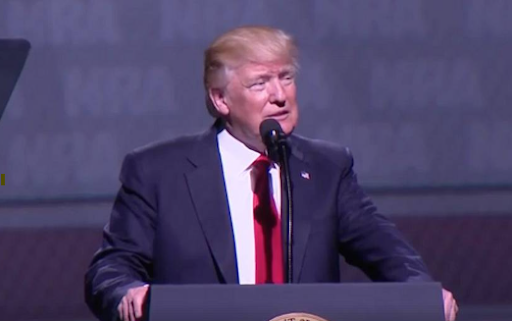
President Trump refused to define limits on his Greenland pursuit when questioned, telling reporters they would learn his intentions in due course. His elusive comments during Tuesday’s press conference have deepened European anxiety regarding American territorial designs on the strategically important Arctic territory.
Prior to his Switzerland journey for the Davos gathering, Trump revealed plans for multiple Greenland-centered discussions with European officials. The president expressed confidence in reaching agreements benefiting both NATO and American security interests, repeatedly framing Greenland control as essential for protective purposes. His security-focused characterization hasn’t reduced international resistance.
Trump’s persistent unwillingness to dismiss military intervention has sparked controversy across political landscapes. Polling indicates most Americans oppose aggressive acquisition methods, while Republican congressional voices have joined the criticism. The situation has introduced unprecedented strain into Western alliance structures.
European Commission leadership has responded with unprecedented directness in defending sovereignty. Von der Leyen condemned Trump’s tariff imposition on European countries deploying forces to Greenland, pledging comprehensive and proportionate EU countermeasures. Her assertive language represents a notable escalation in transatlantic dynamics.
Leaders from France and Poland have separately articulated serious consequences, with Macron mentioning the EU’s strongest trade retaliation mechanisms. Tusk explicitly stated that Europe cannot afford weakness against any power, including allies. Canadian leadership reinforced commitment to Danish-Greenlandic sovereignty while condemning tariff-based pressure, contrasting with Trump’s dismissal of self-determination concerns and prediction that Greenlanders would embrace his proposals enthusiastically.