
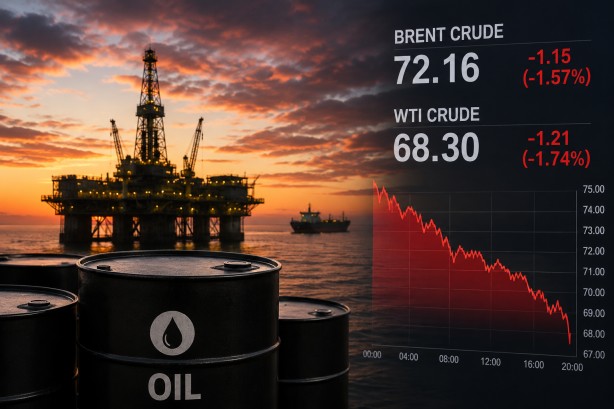
Oil prices slightly decreased on Thursday as investors took profits and evaluated the ramifications of escalating tensions between the United States and Iran. Brent crude dropped by 0.52% to $84.51 per barrel, while US West Texas Intermediate crude saw a 0.29% decline, settling at $79.37 per barrel. Despite these dips, both benchmarks hovered near their highest levels in a month, having initially extended recent gains.
The market remains on edge due to fears of potential supply disruptions following a new series of US military strikes on Iranian sites and Iran’s threats to limit regional energy exports. The Strait of Hormuz, a vital passage for the global oil and liquefied natural gas trade, is under intense scrutiny from traders, with reports indicating a reduction in shipping traffic through the channel after the recent flare-up.
Analysts have pointed out that ongoing geopolitical tensions are supporting elevated oil prices, though investors are keeping a close watch on whether the conflict might lead to significant disruptions in energy supplies. As the situation unfolds, attention has also turned to the Bab el-Mandeb Strait, another critical energy transit route, amid concerns that regional allies could be drawn into the conflict.
There is a growing sentiment among some analysts that oil prices might increase further if tensions escalate and export interruptions persist. Conversely, a de-escalation in the crisis could potentially bring about a downturn in prices later in the year.