
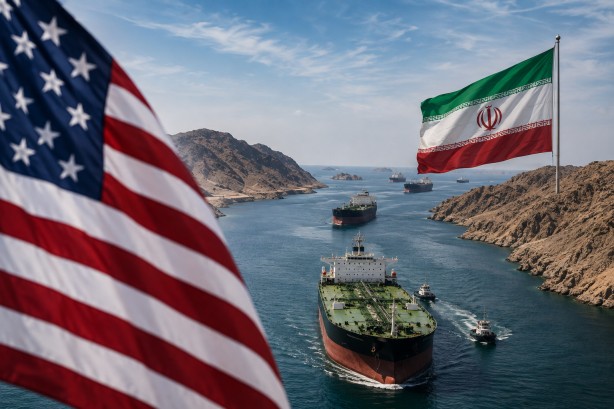
Negotiations between the United States and Iran to reopen the Strait of Hormuz are reportedly progressing, with an agreement potentially on the horizon within the next couple of days. US Treasury Secretary Scott Bessent expressed optimism about the ongoing talks with Tehran, indicating that a breakthrough could soon be achieved. The proposed agreement would allow commercial vessels to traverse the strategic waterway without incurring tolls, ensuring the freedom of navigation that is crucial for global trade.
Qatar, acting as a key mediator in these discussions, has confirmed the circulation of a proposed de-escalation framework among the involved parties, as diplomatic efforts continue to gain momentum. The Strait of Hormuz is a vital passage for worldwide oil and energy shipments, and its reopening is expected to stabilize the region. The anticipation of an agreement has already impacted the market, with oil prices experiencing a decline as hopes rise for the resumption of normal shipping activities.
President Donald Trump recently decided to postpone planned military actions against Iran to allow room for the negotiations to develop. In his remarks, he emphasized that any forthcoming agreement should address both the reopening of the Strait of Hormuz and concerns surrounding Iran’s nuclear program. This approach aims to ensure comprehensive resolution of the issues contributing to regional tensions.
Previously, efforts to reach a US-Iran understanding on reopening the waterway failed due to disagreements over shipping routes, which subsequently reignited tensions in the area. Current negotiators are working diligently to forge a new agreement, focusing on restoring maritime traffic and reducing instability in the region. The success of these talks holds significant implications for global trade and regional security.